
Dental Bonding in Pottsville, PA
A small chip, a gap, or a stained spot on a front tooth often does not need a crown or veneer to fix. Bonding lets us reshape and color-match a tooth in a single visit, in the same building where you get your cleanings.
A Straightforward Fix for Small Cosmetic Concerns
Dental Bonding in Pottsville PA is one of the simpler ways to fix the kind of cosmetic issues that bother you in photos but do not really hurt. A chipped corner from biting down on a fork. A short gap between two front teeth. A spot of discoloration that whitening did not reach. Bonding uses a tooth-colored composite resin, shaped by hand and hardened with a curing light, to rebuild or cover the area on the same day.
At Fellows & Smink Dental Associates, Dr. Scott Fellows handles bonding the same way he handles the rest of our cosmetic work: by walking you through what is going on first, showing you the tooth on the intraoral camera, and being honest about whether bonding is the right call or whether something like a veneer or crown would hold up better over time.
Most patients we see for bonding come in for one or two teeth, leave the same afternoon, and go back to work or pick the kids up from school. It is one of the least involved cosmetic treatments we offer, and for the right situation, it works well.
How Composite Bonding Repairs a Chipped or Gapped Tooth
The process is quieter than most people expect. We start by matching the shade of the composite to the surrounding teeth, because the color has to blend in daylight, not just under the office lights. Then the tooth surface is lightly prepared so the resin will hold. In most cases there is no drilling and no need for numbing, though we will use a local anesthetic if the chip extends close to the nerve or if you tell us you would rather be numb.
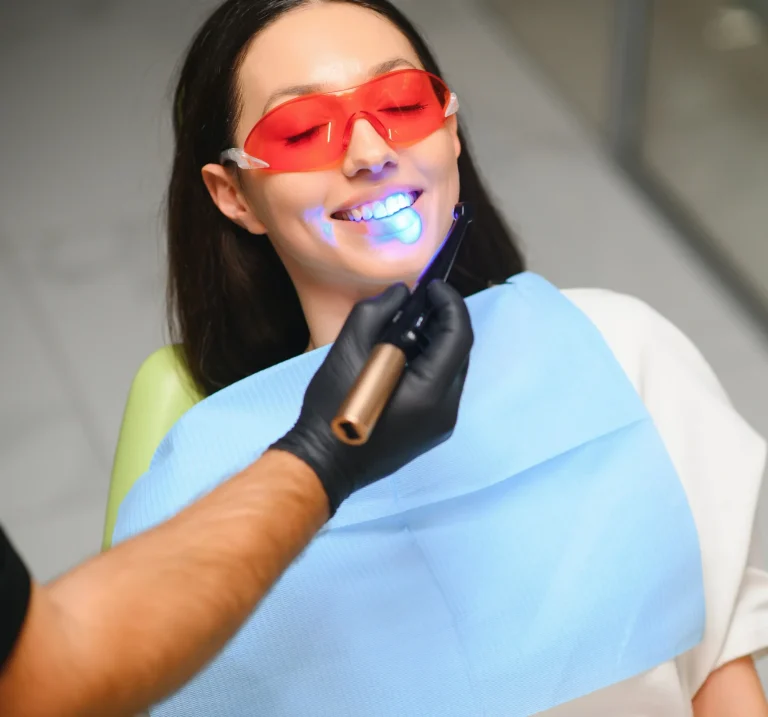
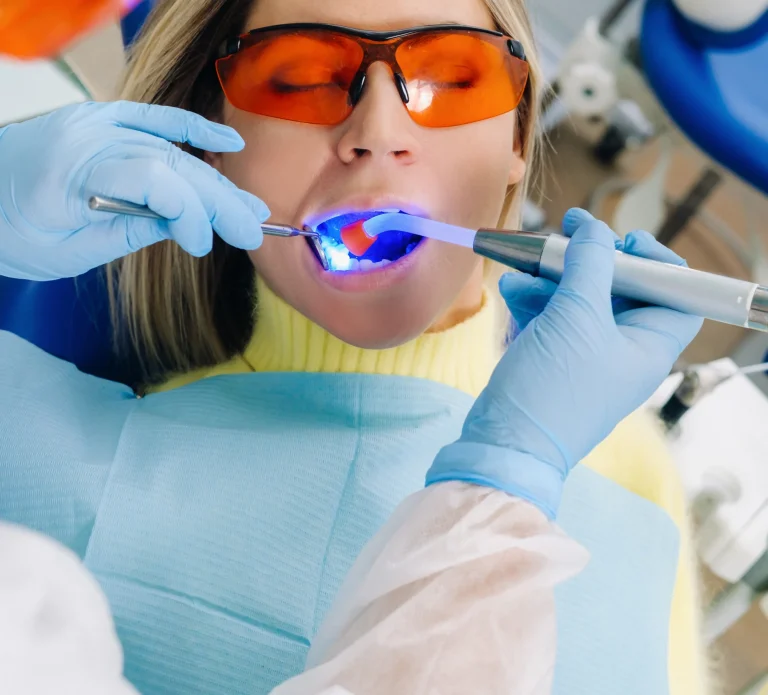
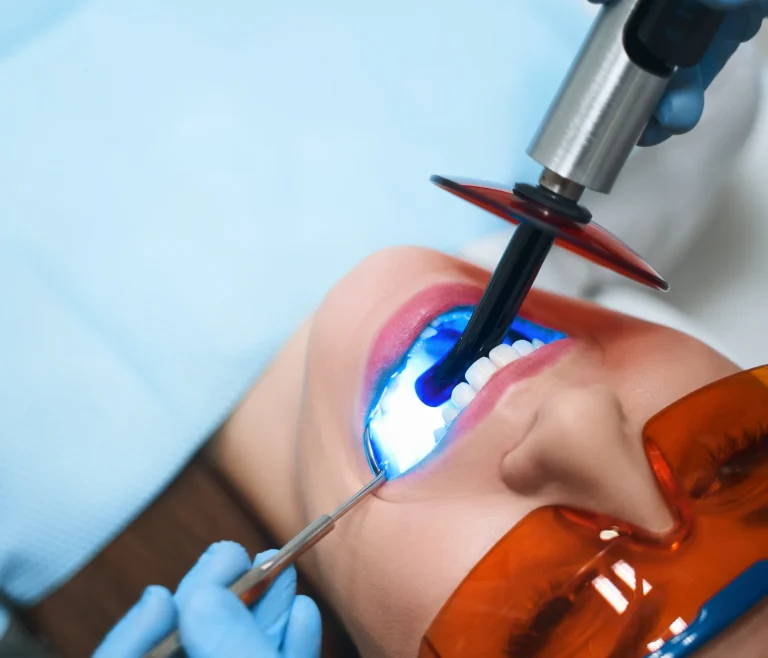
Dr. Fellows applies the composite in layers, shaping it with hand instruments until the contour matches the rest of the tooth. A curing light hardens each layer in seconds. Once the shape is right, the surface is polished so it reflects light the way enamel does. A single tooth usually takes thirty to sixty minutes start to finish.
You can eat and drink normally as soon as you leave. There is no temporary stage, no second appointment to cement anything, and nothing being sent to a lab. That is the practical appeal of bonding: one visit, one tooth (or two), and you are done.
When Bonding Is the Right Choice and When It Is Not
Bonding works best for small repairs on teeth that take light biting force. Chipped front teeth, short gaps, worn edges, a tooth that looks shorter than its neighbor, a stain that sits on the surface. For those cases, the composite holds up well and looks natural for years, especially if you avoid biting fingernails, pen caps, or ice.
It is not the right answer for everything. If a front tooth is heavily worn, cracked through, or already has a large filling that keeps failing, a porcelain veneer or a crown will usually last longer and look better over time. If several teeth are involved and you want a more uniform result across your smile, veneers tend to be the more predictable choice. We will tell you plainly which way we would lean and why.
Bonding can also stain over time. Coffee, tea, red wine, and tobacco will color composite resin faster than they color natural enamel, and unlike enamel, bonded areas do not respond to whitening. That is worth knowing before you commit, especially if you are a heavy coffee drinker. None of this is a deal-breaker, but it is the kind of thing we would rather talk about up front than have you find out a year later.
What a Bonding Appointment Looks Like at Our West End Avenue Office
Most bonding visits start with a short conversation and a look at the tooth on the intraoral camera, so you can see what we see on the screen. If you have not been in for a regular checkup recently, we may suggest pairing the bonding with an exam and digital X-rays, because a chip on the surface sometimes points to grinding or a deeper crack we want to rule out first.
Once we have agreed on the plan, the work itself is quick. The room stays calm. We tell you when we are about to do each step. If you brought a kid along, they can usually sit in the room with you. Pottsville is small enough that a lot of our patients show up on a lunch break, and we try to keep cosmetic visits tight enough to make that work.
After the bonding is polished, we will check your bite, make sure the new edge does not catch on the opposing tooth, and give you care instructions in plain language. Brush and floss normally. Skip the ice chewing. Come back in six months for your regular cleaning, and we will keep an eye on how the bonded area is wearing.
Cost, Insurance, and Paying for Bonding
Bonding is usually one of the more affordable cosmetic treatments, partly because it is done in a single visit and does not involve a lab. The exact cost depends on how many teeth are being treated and whether any prep work, like replacing an old filling underneath, is needed. We will give you a written estimate before we start, so there are no surprises at checkout.
When bonding is done for a clearly functional reason, like repairing a chipped or broken tooth, dental insurance will often pay a portion. When it is purely cosmetic, most plans will not. We accept all PPO dental insurance plans and will file the claims for you, and we will tell you in advance which category your situation is likely to fall into based on what we see.
For patients without coverage, or for the part insurance does not pay, we offer flexible payment options and will sit down to map out something that fits your month. If you want to compare bonding against other options before you decide, we are happy to walk through cosmetic dentistry choices and pricing side by side.
What You Get Out of Bonding a Front Tooth
The everyday value of bonding is that a small thing stops bothering you. The chip you notice every time you look in the rearview mirror is gone. The gap between your two front teeth, the one you have always covered in photos, is closed. None of this changes your life, but most patients tell us they stop thinking about it within a week, which is exactly the point.
Because bonding is conservative, it also leaves your options open. If you decide years from now that you want a veneer or a crown on that tooth, the bonded composite can be removed without having taken much enamel along with it. That matters. We try not to do anything irreversible when something reversible will hold.
If bonding turns out not to be enough, we have the rest of the practice under one roof. Dr. Fellows handles cosmetic, restorative, and implant work in the same building, so the conversation can move from a small repair to a larger plan without sending you across the county.
Come In and We Will Take a Look
Bring the tooth in and we will tell you whether bonding is the right fix or whether something else would last longer. Call our West End Avenue office to set up a short consultation.