
Periodontal Maintenance in Pottsville, PA
Regular cleanings designed for patients who’ve already been treated for gum disease. We keep things stable, watch for flare-ups, and explain what we see at every visit.
What Periodontal Maintenance Actually Is
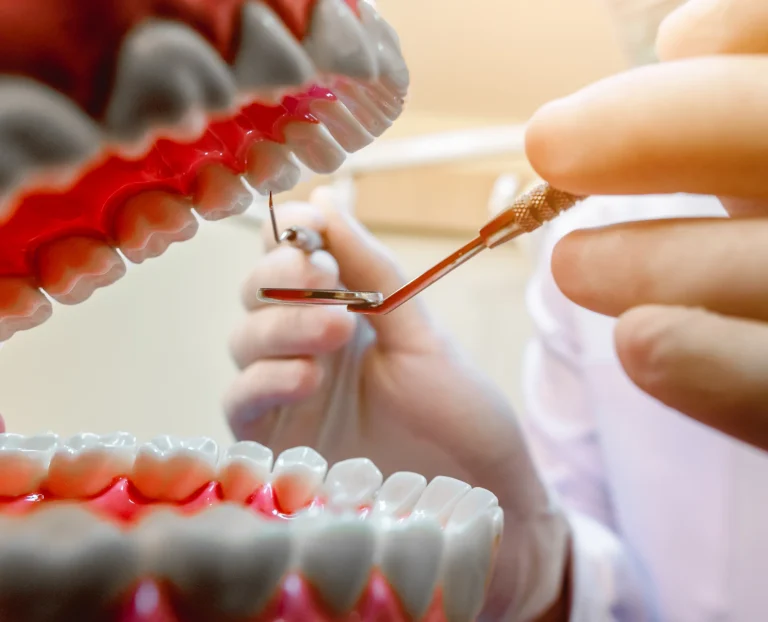
Periodontal Maintenance in Pottsville PA is the follow-up cleaning schedule patients move onto after they’ve had scaling and root planing or surgical treatment for gum disease. It isn’t the same as a standard six-month cleaning, and we don’t pretend it is. The pockets around your teeth need to be measured, the areas below the gumline need to be cleaned, and the timing usually lands closer to every three or four months instead of twice a year.
If you’ve been told you have periodontal disease, it doesn’t go away. It gets managed. That’s the honest version. The goal of these visits is to keep what you have, slow down bone loss, and catch any pocket that starts deepening again before it turns into another round of deeper treatment.
Dr. Scott Fellows and our hygiene team see patients from Pottsville, Saint Clair, Minersville, Schuylkill Haven, and across Schuylkill County for this kind of ongoing care. Some have been with us for years. Others come to us after being treated somewhere else and want a closer office to keep up with the schedule.
How Periodontal Maintenance Differs from a Regular Cleaning
A standard cleaning, the kind most patients get twice a year, is mostly about the surfaces you can see and the area right at the gumline. It’s preventive. It assumes the gums and bone underneath are healthy.
Periodontal maintenance assumes they aren’t, or at least weren’t. The hygienist works below the gumline, into the pockets that formed when gum disease was active, and cleans out the bacteria and hardened deposits that collect down there. We also re-measure pocket depths around every tooth and chart any changes since your last visit. If a pocket has gone from a 4 to a 6, we want to know that day, not a year from now.
Most patients on this schedule come in every three months. Some can stretch to four. A few need to come more often for a stretch of time if a particular area is acting up. We’ll tell you what we see on the chart and on the intraoral camera, and we’ll explain why the interval is what it is instead of just handing you a card with the next date on it.
Who Needs to Stay on a Periodontal Maintenance Schedule
The short answer: anyone who has been diagnosed with periodontitis and treated for it. That includes patients who had scaling and root planing, gum surgery, or bone grafting around natural teeth. Once the disease has reached the bone, the supporting structure doesn’t grow back on its own, and the bacteria responsible are still in your mouth. Regular cleanings aren’t enough to keep them out of the pockets.
We also recommend this schedule for patients with risk factors that make gum disease likelier to come back: a history of smoking, diabetes that’s been hard to control, certain medications that affect the gums, or a family pattern of losing teeth to gum problems in middle age. If you’ve had dental implants placed and have a history of gum disease, maintenance visits matter even more, because the tissue around implants can develop a similar kind of inflammation.
If you’re not sure whether you fall into this group, the digital X-rays and Overjet Iris system we use can show bone levels clearly, and we’ll walk you through the images on the screen. No guessing. You’ll see what we see.
What Happens at a Periodontal Maintenance Appointment
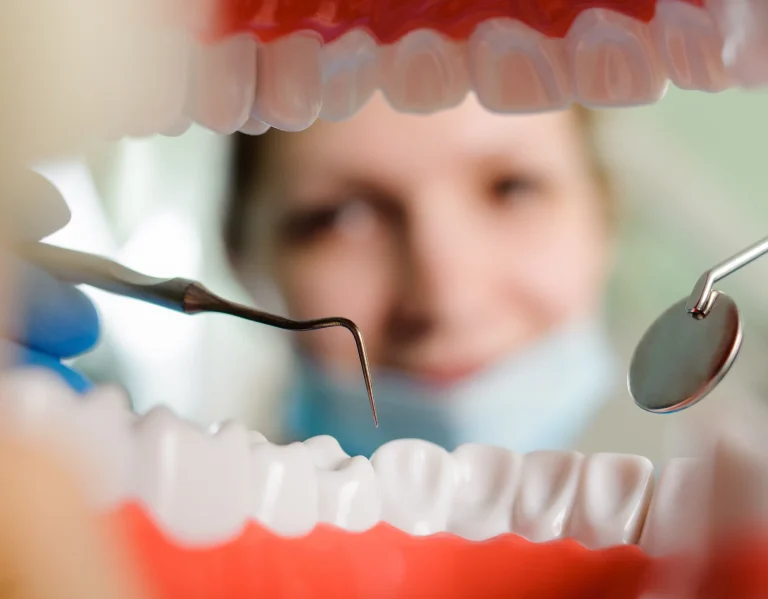
The visit usually runs longer than a regular cleaning, somewhere around an hour. We start with a quick check-in about anything that’s changed since last time. New medications, bleeding when you brush, a tooth that feels different. Small details that help us know where to focus.
Then the hygienist takes pocket measurements around each tooth and notes any spots that are bleeding or have shifted from the last reading. We’ll often use the intraoral camera to show you a specific area on the screen so the conversation isn’t abstract. After that comes the actual cleaning: above and below the gumline, with hand instruments and ultrasonic tools, focused on the areas that need the most attention.
Dr. Fellows comes in for an exam, looks at the chart, and reviews any X-rays we’ve taken. If something needs a closer look or a return visit, we say so. If everything’s holding steady, we say that too. You’ll leave with a clear picture of what’s stable, what we’re watching, and when we’d like to see you next.
Insurance and Payment for Periodontal Maintenance
Periodontal maintenance is billed under a different code than a regular cleaning (D4910 if you want the technical version), and most PPO dental plans cover it, often at the same percentage as preventive cleanings. Some plans cap how many maintenance visits they’ll pay for per year, which is worth knowing before you schedule the third or fourth one.
We accept all PPO dental insurance plans and file the claims for you. If there’s a question about whether your plan will count a maintenance visit toward your preventive benefit or your basic benefit, we’ll check before the appointment so there are no surprises on the bill.
For patients without dental insurance, we offer flexible payment options and can spread out visits over the year in a way that fits the budget. If you’d rather see the full breakdown ahead of time, ask at the front desk and we’ll map it out.

Why Keeping Up with Maintenance Saves Teeth
Gum disease is quiet. It usually doesn’t hurt until it’s well along, which is part of why patients are often surprised when they’re first diagnosed. Once you’re on a maintenance schedule, the appointments become the early warning system. A pocket that’s deepening, a spot of bone loss on an X-ray, a tooth that’s getting slightly loose: these get caught when they’re still small problems.
Patients who stay on the three or four month rhythm tend to keep their teeth longer and need fewer rounds of deeper treatment. The ones who drift back to twice a year cleanings often end up back in the chair for another round of scaling and root planing within a couple of years. We’ve seen both patterns play out enough times to be direct about it.
We’d rather see you four times a year for a thorough visit than once a year for an emergency. It’s easier on you, easier on the budget, and it keeps more of your own teeth in your mouth for longer. That’s the point of the whole thing.
Ready to Schedule Your Next Maintenance Visit?
Call Fellows & Smink Dental Associates on West End Avenue in Pottsville, and we’ll find a time that fits your schedule. If you’re new to us, we’ll pull your previous periodontal records and pick up where your last office left off.