
All-on-4 Implants in Pottsville, PA
A full arch of fixed teeth supported by four implants, planned and placed in the same building where you already see us for cleanings and exams. We walk you through every step before any work begins.
A Plain Explanation of How This Treatment Works
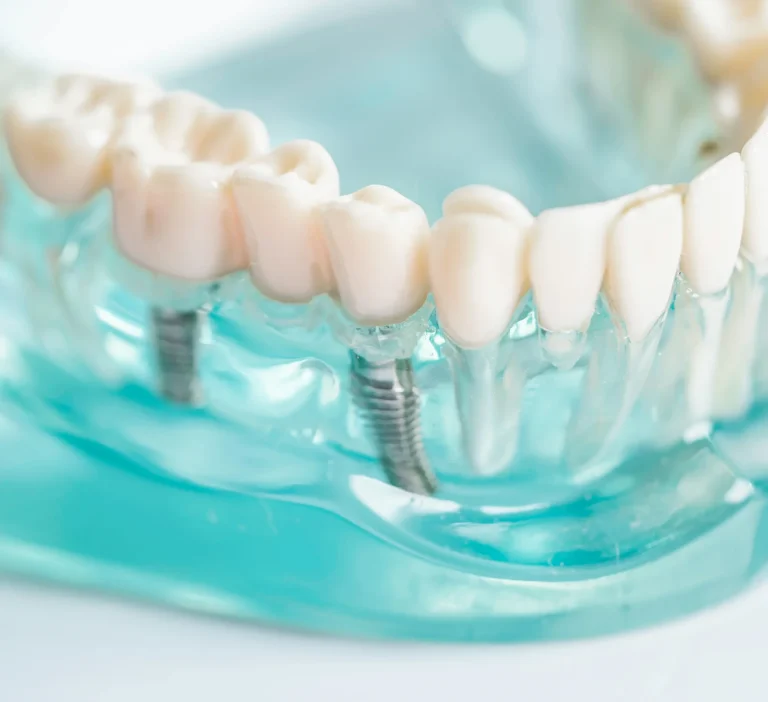
If you’ve lost most or all of your teeth on the top, the bottom, or both, All-on-4 Implants in Pottsville PA may be one of the options we discuss with you at Fellows & Smink Dental Associates. The short version: four titanium implants are placed in the jaw at carefully chosen angles, and a full arch of fixed teeth is anchored on top of them. The result is a set of teeth that stays in your mouth. You don’t take it out at night.
We treat patients from Pottsville, Saint Clair, Minersville, Schuylkill Haven, Orwigsburg, Cressona, and the rest of Schuylkill County, and many of the folks who ask us about this treatment have been wearing dentures for years or are facing the loss of their remaining teeth. Some have tried adhesives and are tired of them. Some can’t chew the foods they used to. We sit down, look at your X-rays together on the screen, and explain what’s possible in plain language before we ever talk about scheduling anything.
Dr. Scott Fellows is the one who will usually walk you through your options. He’ll explain how All-on-4 compares to traditional dentures, single tooth replacement, and other restorative paths, so you can make a decision that fits your health, your budget, and your day-to-day life.
Why Four Implants Can Support a Full Arch of Teeth
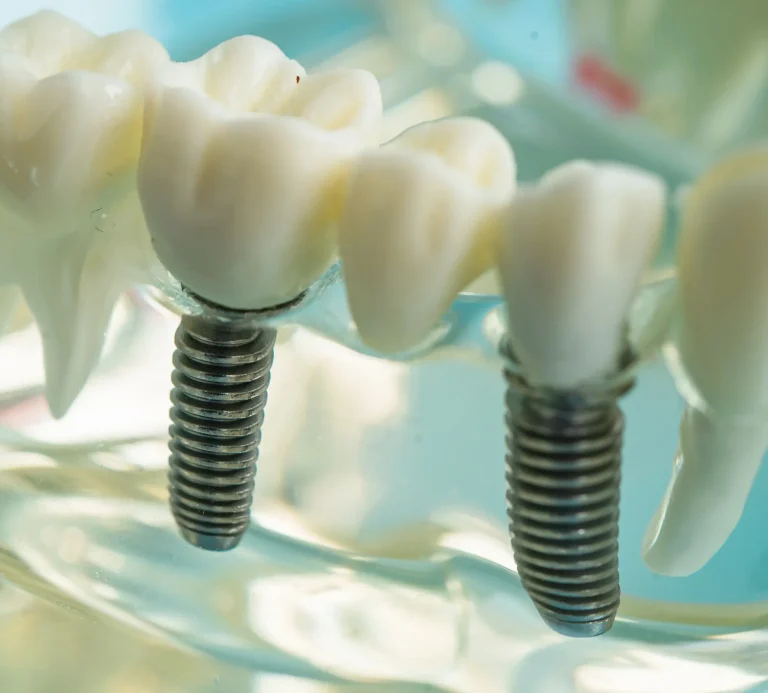
The idea behind All-on-4 is straightforward. Instead of placing one implant for every missing tooth, four implants are positioned in the parts of the jaw that still have the most solid bone, usually toward the front. The two back implants are tilted at an angle. That angle does two things: it gives the implants more contact with bone, and it lets us avoid certain nerves and sinus structures that often require additional surgery to work around.
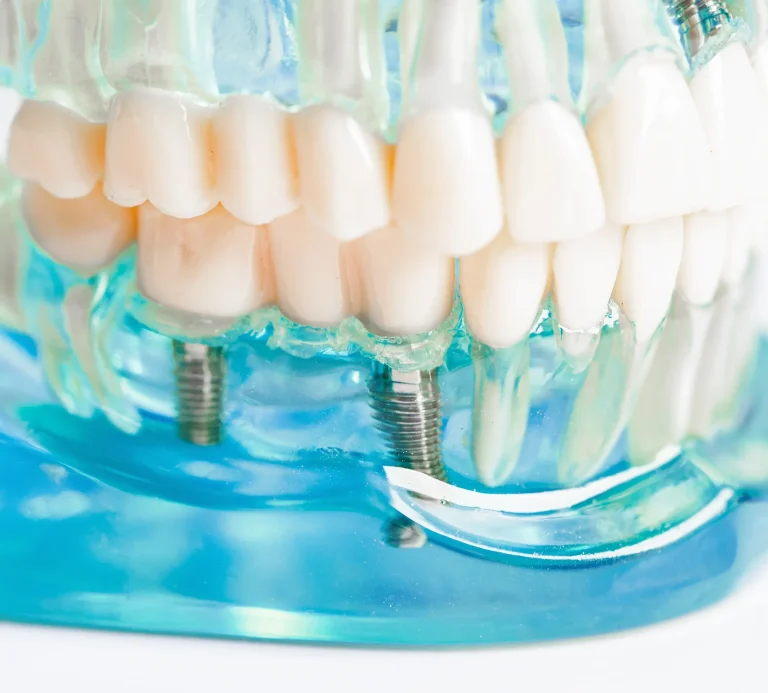
Once those four implants are placed and stable, a full bridge of teeth is secured on top. It’s fixed in place. You brush it, you floss around it, and you come in for regular checkups, the same way you would with natural teeth. For many patients, this is the difference between a removable denture that shifts when they eat and a set of teeth that simply stays put.
All-on-4 isn’t the right answer for everyone. Bone health, gum health, medical history, and what you’re hoping to get out of treatment all matter. That’s why the first visit is mostly listening and looking. We use digital X-rays with the Overjet Iris system and intraoral cameras to map out what’s going on, and we’ll show you on the screen what we see.
Who's a Good Candidate for All-on-4 and Who Isn't
Good candidates usually fall into a few groups. Patients who have lost most of their teeth and are facing full extractions. Patients who have worn dentures for years and want something that doesn’t move. Patients with widespread decay or advanced gum disease where saving the remaining teeth isn’t realistic. If you fit one of these, it’s worth a conversation.
There are also situations where we’d recommend something different. If you have significant bone loss in the jaw, you may need bone grafting first, or a different implant plan altogether. If you have untreated gum disease, we’ll address that before anything else. Certain medical conditions and medications can affect how implants heal, and we’ll go through your health history carefully before recommending a path forward.
Some patients come in expecting All-on-4 and leave with a plan for single tooth replacement or dentures instead, because that’s what actually fits their situation. Others come in expecting dentures and find out implants are a better long-term choice. We’d rather have an honest conversation about what can wait, what needs attention now, and what your insurance will cover than push one treatment over another.
What the All-on-4 Process Looks Like Start to Finish
The process starts with a consultation and imaging. We take digital X-rays, look at the bone, and review your medical and dental history. If you want, Dr. Fellows will pull the images up on the screen and walk through what we’re seeing so you understand the reasoning behind the plan. Nothing is scheduled until you’ve had your questions answered.
On surgery day, any remaining teeth that need to come out are removed, the four implants are placed, and in many cases a temporary set of teeth is attached the same day so you don’t leave without something to smile and eat with. Sedation options are available to keep you comfortable during the appointment, and we’ll go over those choices ahead of time. Healing takes a few months while the implants integrate with the bone.
Once healing is complete, the final set of teeth is attached. After that, the visits look a lot like regular dental care. You come in for cleanings and checkups, we keep an eye on the implants and the gum tissue around them, and we handle anything that comes up. Because we offer a full range of care under one roof, you don’t get sent across the county for follow-ups.
What Insurance Covers and How We Handle the Paperwork
All-on-4 is a larger investment than most dental treatments, and we know that’s part of what you’re weighing. We accept all PPO dental insurance plans and file the claims for you. Coverage for implants varies widely from one plan to another. Some plans cover a portion of the implants, some cover the bridge on top, some cover extractions and related work, and some cover very little. Before treatment starts, we’ll check your benefits and give you a written estimate of what your plan is likely to pay and what your out-of-pocket portion will be.
For patients without insurance, or when coverage doesn’t go as far as you’d hoped, we offer flexible payment options and will sit down to map out a plan that fits your month. No surprises, no fine print sprung on you at the front desk. If you’d like to read more before your visit, our pages on dental insurance and payment options cover the basics.
What a Fixed Set of Teeth Changes Day to Day
Patients usually talk about three things after All-on-4. Eating, talking, and not thinking about their teeth. Foods that were off the table with a loose denture become possible again. Speech that had started to slip with shifting teeth steadies out. And the daily mental load of adhesives, soaking cups, and worrying about a denture coming loose at the wrong moment goes away.
With good care and regular checkups, an All-on-4 restoration is designed to last for many years. Outcomes vary based on bone health, hygiene, and how well the implants are maintained over time, which is why we build follow-up visits into the plan from the start. We’re not interested in placing implants and waving you off.
If you’re considering this treatment, the next step is a conversation. Bring your questions, bring your previous X-rays if you have them, and we’ll go from there.
Talk Through Your Options with Dr. Fellows
Call Fellows & Smink Dental Associates on West End Avenue in Pottsville to schedule a consultation. We’ll review your X-rays with you, explain what’s possible, and answer your questions before any decisions are made.