
PRF Treatment in Pottsville, PA
PRF, or platelet-rich fibrin, uses a small sample of your own blood to help the mouth heal after extractions, implants, and other oral surgery. It’s a quiet addition to a procedure, but it makes a real difference in how the days afterward go.
What to Know About PRF Treatment in Pottsville PA
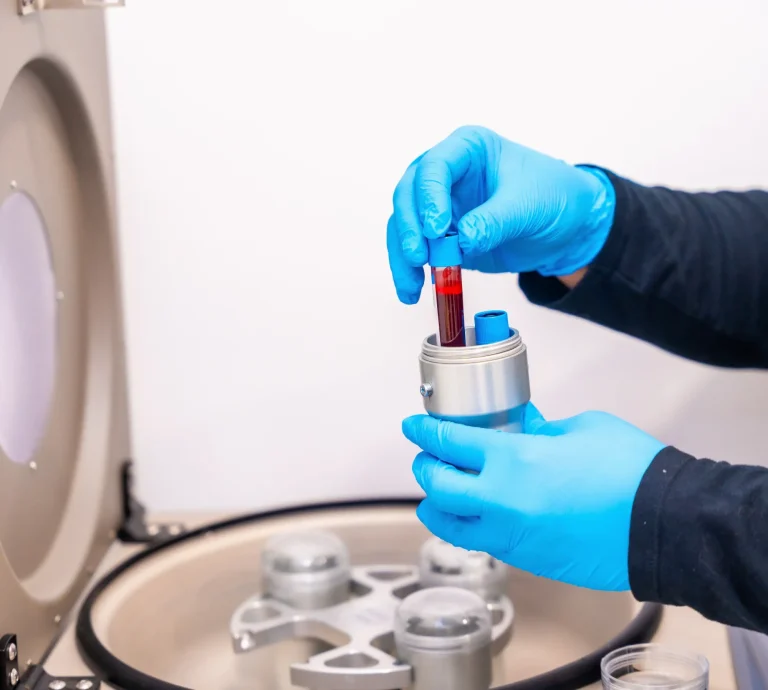
If your dentist has mentioned PRF Treatment in Pottsville PA as part of an extraction, implant, or bone graft, you probably have a few questions about what it actually is and why it’s being recommended. The short answer: PRF is a small amount of your own blood, spun in a centrifuge to concentrate the platelets and fibrin that your body already uses to heal. We place that concentrate right into the surgical site.
Because the material comes from you, there’s no donor tissue and no synthetic additive involved. The platelets release growth factors that signal the surrounding tissue to rebuild bone and gum, and the fibrin acts like a natural scaffold for new cells to grow into.
At Fellows & Smink Dental Associates, Dr. Scott Fellows uses PRF as part of the oral surgery we already do under one roof on West End Avenue. It isn’t a separate appointment in most cases. It’s a step folded into the surgery you came in for, and we’ll walk you through exactly how it fits.
How PRF Is Drawn, Spun, and Placed at the Surgical Site
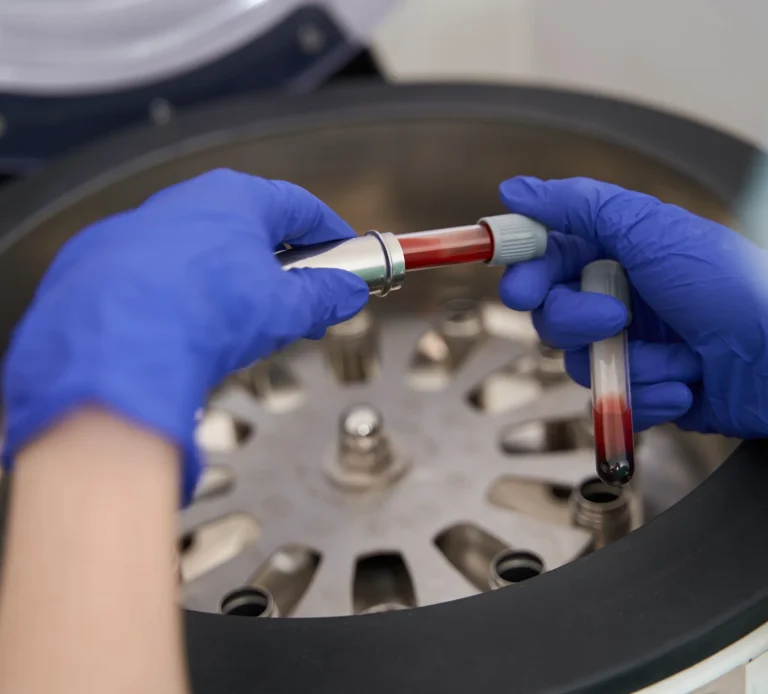
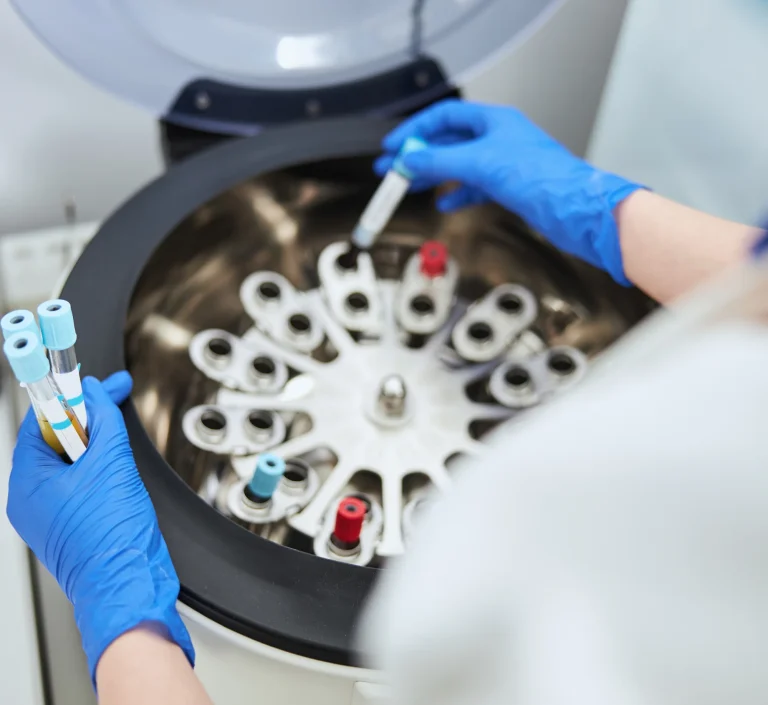
The process is straightforward and happens in the same room as your procedure. Before we begin surgery, a team member draws a small vial of blood from your arm, the same way a routine blood draw goes at your doctor’s office. That vial goes into a centrifuge that spins for about ten to fifteen minutes.
When the spinning is done, the blood has separated into layers. The middle layer is the fibrin clot we’re after, a soft, yellowish gel rich in platelets and white blood cells. Dr. Fellows lifts that clot out and either places it directly into the socket or membrane it into a flat layer to cover the site.
From your perspective, the surgery itself feels the same. The PRF step adds the blood draw and the wait while the centrifuge runs. Many patients use that time to rest or ask questions. We’ll show you the fibrin before we place it if you’d like to see what it looks like.
When PRF Is Recommended Alongside Extractions, Implants, and Grafts
PRF isn’t used at every appointment. It’s recommended when we expect the body will benefit from a healing boost, and there are a few common situations where that’s the case.
After a tooth extraction, especially a molar or a tooth with a large infection, PRF helps fill the socket and reduces the risk of a dry socket forming. For patients planning a dental implant later, preserving the shape of the bone in that socket matters, because it gives the implant something solid to anchor into when the time comes.
PRF is also a common companion to bone grafting and to implant placement itself. When we’re rebuilding bone or asking new bone to grow around a titanium post, the growth factors in PRF give that process a head start. Patients managing diabetes, taking certain medications, or recovering from gum disease often see the most noticeable benefit, though Dr. Fellows will tell you plainly whether he thinks it’s worth adding to your case or not.
What's Included When PRF Is Part of Your Oral Surgery Visit
When PRF is part of your treatment plan, here’s what the visit looks like from start to finish. You’ll check in at the front desk on West End Avenue and get settled in the same operatory where the surgery will happen. We review your medical history, confirm the plan, and answer anything that came up since your consultation.
Before the procedure begins, a team member draws the blood sample and starts the centrifuge. Dr. Fellows numbs the area and, if you’ve arranged for it, sedation is started at this point. The surgery proceeds while the PRF spins, and by the time we’re ready to close, the fibrin is ready to place.
Aftercare instructions are written down and explained out loud before you leave, including what to eat, when to rinse, and what to watch for. Because PRF tends to reduce swelling and post-operative discomfort, many patients find recovery quieter than they expected. We follow up by phone the next day to check on you, and we schedule a brief recheck so we can look at the site in person.
Why PRF Is Worth Considering for Oral Surgery Recovery
The reason we offer PRF is simple. It uses your own biology to help your mouth heal faster and more predictably, with no foreign material involved. For patients who have had a long road with a tooth, whether that’s repeated infections, a failed restoration, or a planned implant years in the making, that extra support during healing is meaningful.
There’s also a practical side. Faster, smoother healing usually means less time off work, fewer follow-up calls about discomfort, and a stronger foundation for the implant or restoration that comes next. For families driving in from Saint Clair, Minersville, Schuylkill Haven, or Orwigsburg, anything that reduces return trips is worth talking about.
PRF won’t change every case, and Dr. Fellows won’t add it where it doesn’t earn its place. When he does recommend it, it’s because the evidence in your specific situation points that way, and we’ll explain that reasoning before you decide.
Ask Whether PRF Fits Your Procedure
If you have an extraction, implant, or bone graft coming up, call Fellows & Smink Dental Associates and we’ll walk through whether PRF makes sense for your case. You can also learn more about our oral surgery, dental implants, and bone grafting services under one roof in Pottsville.