
Crowns and Bridges in Pottsville, PA
When a tooth is too damaged for a filling, or a missing tooth is throwing off the bite around it, a crown or a bridge usually solves the problem. Dr. Scott Fellows handles both at our West End Avenue office, in plain language and at a steady pace.
What a Crown Does, What a Bridge Does, and When You Need One
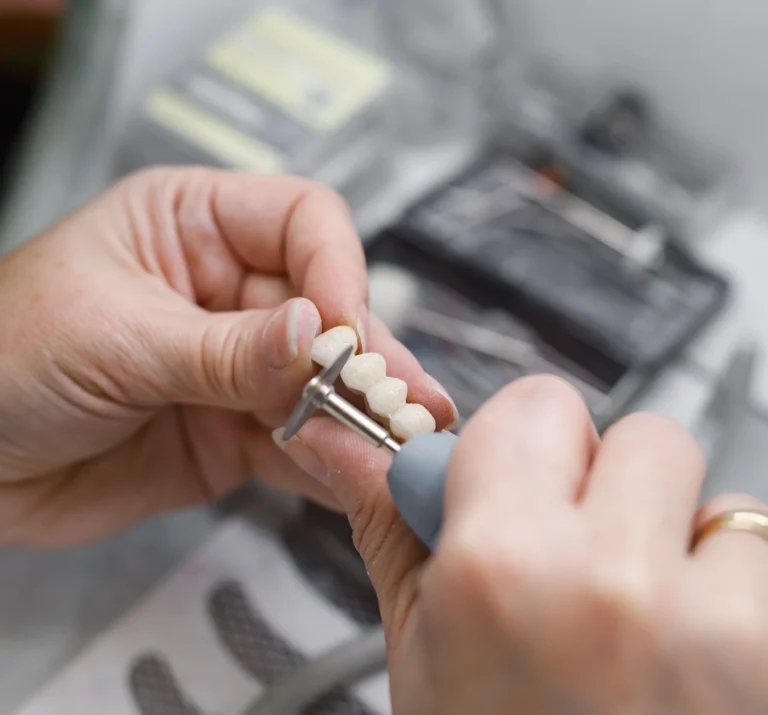
Crowns and Bridges in Pottsville PA cover two of the most common repair jobs in restorative dentistry, and they often come up after a cracked molar, a large old filling that finally gave out, or a tooth that was pulled and never replaced. A crown is a cap that fits over a single tooth to hold it together and give you back a normal chewing surface. A bridge fills in a gap by anchoring a replacement tooth to the teeth on either side. Different problems, related solutions.
Most patients come in not knowing which one they need, and that’s fine. We take digital X-rays, use the Overjet Iris system to look for decay you can’t see on the surface, and walk through the images with you on the intraoral camera. You’ll see what we see. From there we talk about what can wait, what shouldn’t, and what your insurance is likely to cover before any work starts.
Dr. Fellows has been doing this kind of restorative work for families across Schuylkill County for years, so the conversation tends to be practical: here’s the tooth, here’s what’s going on, here are your options. No pressure to decide on the spot.
How a Dental Crown Is Made and Placed
A crown usually takes two visits. At the first one, we numb the area, shape the tooth down so the crown will fit over it, and take an impression. If the tooth has a deep cavity or an old filling that’s failed underneath, we clean that out first. Sometimes a tooth that’s been quiet for years turns out to need a root canal before the crown goes on, and we’ll tell you that up front rather than partway through.
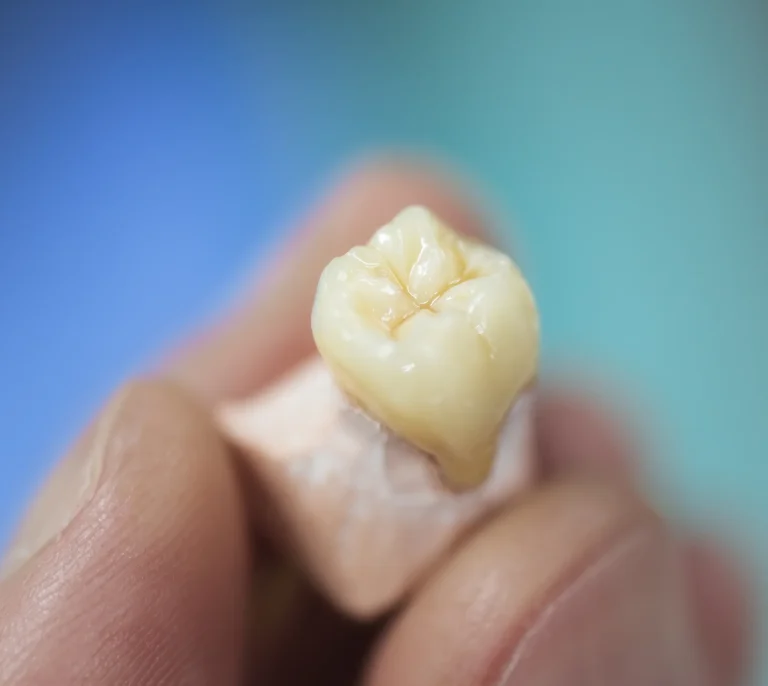
Before you leave, we place a temporary crown so you can eat and talk normally while the permanent one is made at the lab. The final crown is typically porcelain or a porcelain-fused-to-metal material, chosen based on which tooth it’s going on and how much bite pressure it has to handle. Front teeth get a different recommendation than back molars, and we’ll explain why.
At the second visit, we remove the temporary, check the fit and the color of the permanent crown against the teeth around it, and cement it in place. We check your bite carefully before you go. If anything feels high or off in the days after, you call and we adjust it. Small thing, but it makes the difference between a crown you forget about and one that nags at you.
How a Dental Bridge Replaces a Missing Tooth
A traditional bridge uses the two teeth on either side of a gap as anchors. Those teeth get prepared similar to a crown, and the bridge itself is one connected piece: a crown, a replacement tooth in the middle (called a pontic), and another crown, all fused together. It’s cemented in and stays put. You clean under it with floss threaders or a water flosser, and we’ll show you how at the follow-up.
Bridges are a good fit when the neighboring teeth already have large fillings or could use crowns themselves, since you’re getting two jobs done at once. They’re also faster than an implant, which can be the right call for someone who doesn’t want surgery or who needs something done before a wedding or a reunion. For other patients, a single tooth replacement with an implant is the better long-term answer, and we’ll lay both options out side by side.
Like crowns, a bridge takes two visits in most cases: one to prepare the teeth and take impressions, one to cement the finished bridge. In between, you wear a temporary. With reasonable care, bridges last many years, though they depend on healthy anchor teeth and good gum health to keep doing their job.
What's Included When You Come in for a Crown or Bridge
Every crown or bridge starts with a real exam, not a quote over the phone. Dr. Fellows looks at the tooth, checks the bite, takes digital X-rays, and uses the intraoral camera to show you exactly what’s going on. If decay is the issue, the Overjet Iris software helps confirm what we’re seeing on the X-ray so you’re not just taking our word for it.
From there, the visit includes the numbing, the preparation work, the impression, the temporary, the lab-made permanent restoration, and the seating appointment where we fit and cement it. If your tooth needs a buildup before the crown can be placed, or a root canal first, we explain that and what it adds before scheduling anything. No surprises on the bill at the end.
Follow-up adjustments in the weeks after are part of the deal, not an extra charge. We’d rather you come back so we can fine-tune the bite than have you living with something that doesn’t feel right. If you grind your teeth at night, we may also recommend a nightguard to protect the new crown, since that’s one of the most common reasons crowns fail early.
Insurance and Payment for Crowns and Bridges
Crowns and bridges are usually covered as major restorative services on PPO dental plans, often at around 50 percent after your deductible, though every plan is different. We accept all PPO dental insurance plans and file the claims for you, so you don’t have to chase paperwork. Before we start, we can run an estimate based on your specific plan so you know roughly what your share will be.
For patients without insurance, or whose plans have already maxed out for the year, we offer flexible payment options and can sit down to map out a plan that fits your month, not just your mouth. Sometimes that means splitting the work into two calendar years so two annual maximums can apply. We’ll tell you when that’s an option.
If cost is the main thing keeping you from getting a tooth fixed, say so. We’d rather have that conversation up front than have you put off care until the tooth breaks further and the fix gets bigger.
Why a Well-Made Crown or Bridge Is Worth Doing Right
A cracked tooth that gets a crown in time often lasts the rest of your life. The same tooth left alone for another year can split below the gumline and end up needing extraction, which then turns into a conversation about an implant or a bridge anyway. Doing the smaller job at the right time is almost always cheaper, faster, and less involved than waiting.
Bridges do something similar for a gap. When a tooth is missing, the ones next to it tend to tip into the space and the tooth above or below drifts down. The bite shifts, food packs in odd places, and cleaning gets harder. Closing the gap holds everything in position and keeps the rest of your mouth working the way it should.
Most of our restorative patients come back for cleanings and exams afterward and we keep an eye on the crown or bridge at every visit. That’s the part people don’t always think about: the work itself is one appointment or two, but the follow-through is what makes it last.
Talk Through a Crown or Bridge with Dr. Fellows
Call Fellows & Smink Dental Associates on West End Avenue or send us a message. We’ll take a look, show you what we see on the screen, and map out what makes sense for your tooth and your budget.