
Dental Cleaning in Pottsville, PA
A routine cleaning is the simplest way to keep small problems from turning into big ones. We schedule them at our West End Avenue office for patients across Pottsville and Schuylkill County, and we try to make the appointment easy to fit into a normal week.
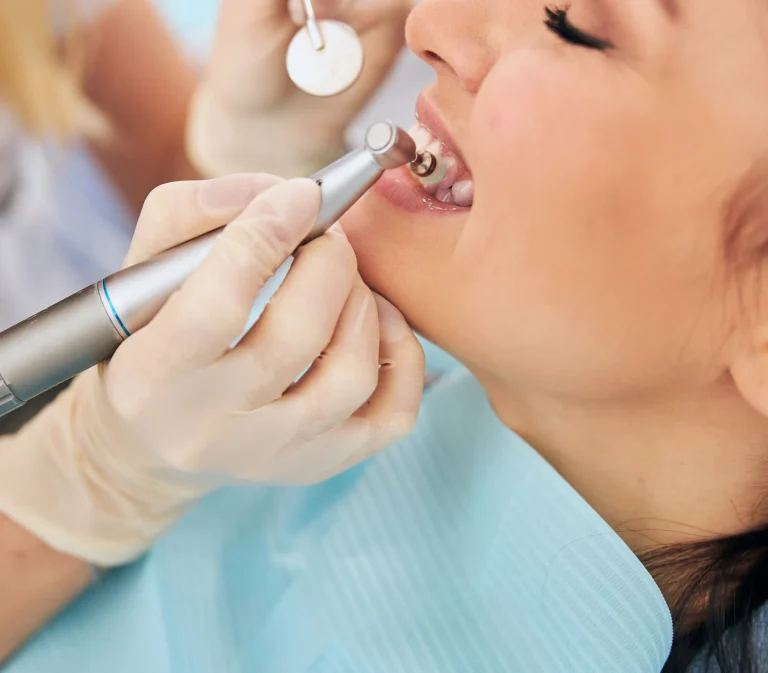
What a Routine Cleaning Looks Like at Our Office
When patients come in for a Dental Cleaning in Pottsville PA, the visit usually starts with a quiet conversation. The hygienist asks how things have been since the last visit, whether anything has felt sensitive, and whether your floss is catching in any new spots. It’s a short conversation, but it shapes the rest of the appointment.
From there, we take a look with an intraoral camera and, when it’s time, digital X-rays read with the Overjet Iris system. Both let us show you what we’re seeing on a screen rather than asking you to take our word for it. If there’s a soft spot starting between two molars, you’ll see it the same time we do.
Then comes the cleaning itself. The hygienist removes plaque and hardened tartar above and below the gumline, polishes the teeth, and flosses. Dr. Scott Fellows stops in for the exam, walks through anything that came up on the images, and tells you plainly what needs attention and what can wait.
What's Actually Done During a Dental Cleaning
A standard cleaning, sometimes called a prophylaxis, is meant for patients with generally healthy gums. The hygienist uses a small ultrasonic instrument and hand scalers to lift plaque and tartar off the enamel and just under the gumline. Tartar is the hardened buildup that a toothbrush can’t remove at home, no matter how careful you are.
After scaling, the teeth are polished with a gritty paste that smooths the surface and lifts surface stains from coffee, tea, and tobacco. Flossing follows, and the hygienist will point out any spots where buildup tends to settle. If your gums bleed in one corner every time, that’s useful information, not a scolding.
If we see early signs of gum disease, we’ll talk about it before the cleaning ends. Some patients need a deeper cleaning called scaling and root planing instead, which reaches below the gumline where pockets have formed. We’ll explain the difference clearly so you know which visit you’re scheduled for and why.
How Often You Should Get Your Teeth Cleaned
Most adults and children do well with a cleaning every six months. That cadence works for two reasons: tartar builds up on a fairly predictable timeline, and a twice-yearly exam gives us a chance to catch decay or gum changes while they’re still small. For families, it also lines up with school breaks, which makes scheduling easier.
Some patients benefit from coming in more often. If you’ve been treated for gum disease, if you wear braces or a retainer, if you smoke, or if certain medications leave your mouth dry, three or four month intervals tend to keep things steadier. We’ll recommend a schedule based on what we actually see, not a one-size answer.
Children should start coming in around their first birthday or when their first teeth arrive, whichever comes first. Early visits are short and gentle, and they help kids get used to the chair before any real work is ever needed. Many of the families we see in Saint Clair, Minersville, and Schuylkill Haven bring three generations to the same office.
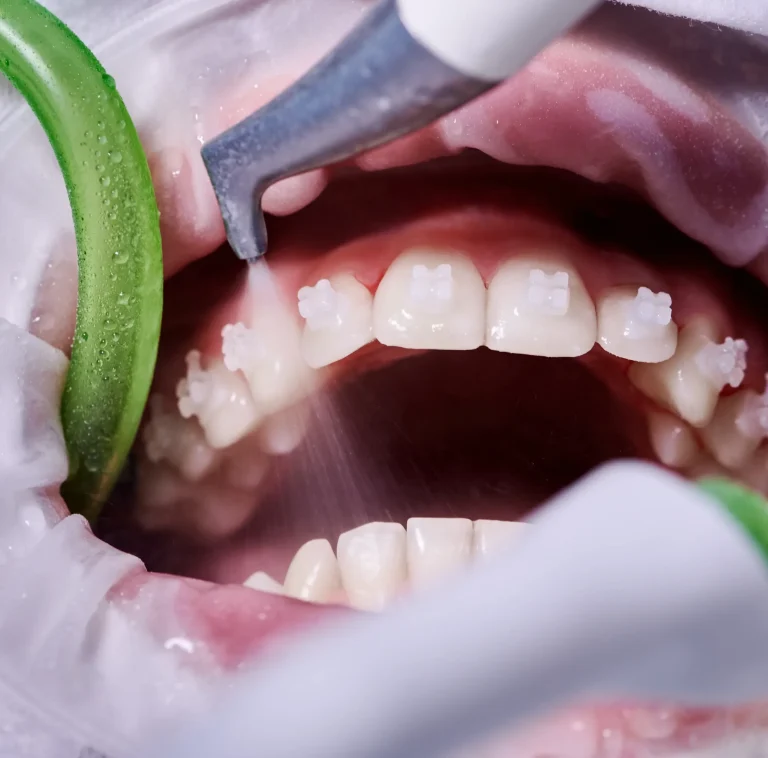
What's Included When You Come In for a Cleaning
A routine hygiene visit at our office covers more than just the scaling and polish. Each appointment typically includes:
A review of your medical history and any changes since the last visit, digital X-rays at the interval your situation calls for, an intraoral camera tour of anything worth a closer look, the cleaning itself, an exam with Dr. Fellows, and a quick oral cancer screening that looks at the tongue, cheeks, and soft tissues. Fluoride or sealants may be added for children and for adults with a history of decay.
Because we keep a full range of care under one roof, anything that turns up during the cleaning can be handled in the same building. If a small cavity needs a filling, or a worn crown needs to be replaced, you won’t be sent across the county to a different office. We’ll map out the next step, tell you what your insurance is likely to cover, and schedule it when it works for you.
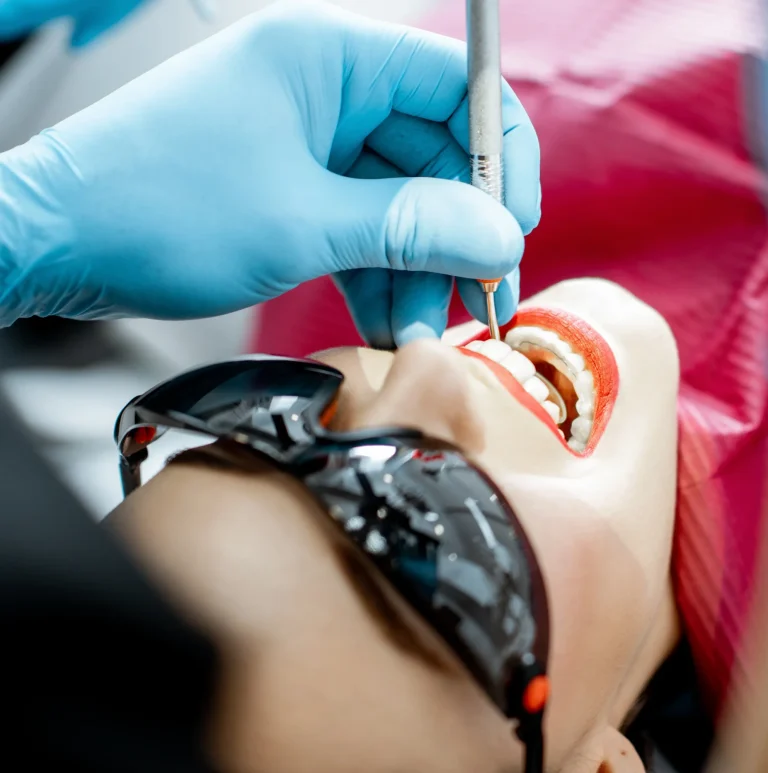
Why Regular Cleanings Are Worth the Trip
Cleanings are the least expensive and least involved part of dentistry, and they prevent most of the work that isn’t. Catching a soft spot before it becomes a cavity means a small filling instead of a crown. Catching gum inflammation early means a hygiene adjustment at home instead of periodontal treatment later. The math tends to favor showing up twice a year.
There’s also the comfort piece. Patients who come in regularly know the hygienist by name, know what to expect, and tend to feel less anxious in the chair. That matters for kids forming their first impressions of a dentist, and it matters for older patients who may have had rougher experiences years ago.
If you’ve been away from the dentist for a while, that’s fine. We see plenty of patients who haven’t been in for two, five, or ten years, and we don’t make a thing of it. We’ll take a look, talk through what we find, and start with a cleaning when it makes sense to.
Book Your Next Cleaning on West End Avenue
Call Fellows & Smink Dental Associates to schedule a cleaning for yourself or the whole family. We accept all PPO dental insurance plans and file the claims for you, so the visit ends at the front desk, not at your kitchen table.