
Dental Sealants in Pottsville, PA
A quick, preventive coating for the back teeth that does most of its work before a cavity ever starts. We place sealants for kids, teenagers, and sometimes adults right here on West End Avenue.
What Sealants Actually Do
Dental sealants in Pottsville PA are one of the simplest preventive tools we have. A sealant is a thin protective coating brushed onto the chewing surface of a back tooth, usually a molar, where the grooves are deep enough that a toothbrush bristle can’t always reach the bottom. Food and bacteria settle in those grooves. A sealant fills them in so they can’t.
We talk about sealants most often during a child’s checkup, but they’re not only a kids’ service. Teenagers getting their second set of molars are good candidates. So are some adults whose back teeth have deep grooves and a history of cavities in those spots.
The appointment itself is short, there are no shots, and nothing about the tooth gets drilled or shaped. If you’ve been told your child needs sealants and you’re not sure what that means, this page walks through it. No surprises.
How a Sealant Is Placed on a Molar
The visit is usually folded into a regular checkup, so most families don’t make a separate trip. After your child’s cleaning, we look at the back teeth and decide which molars would benefit. Sometimes it’s all four. Sometimes it’s just the two that came in deepest.
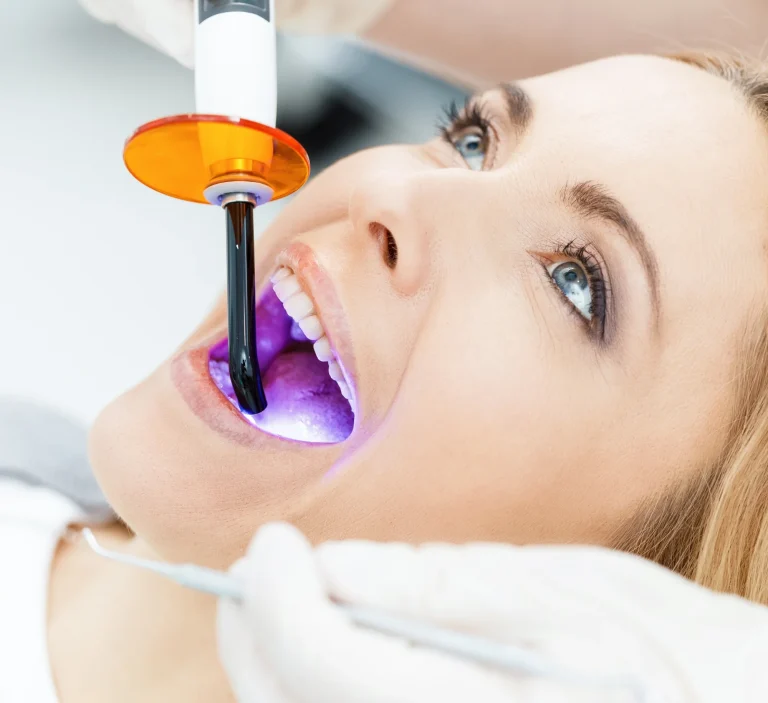
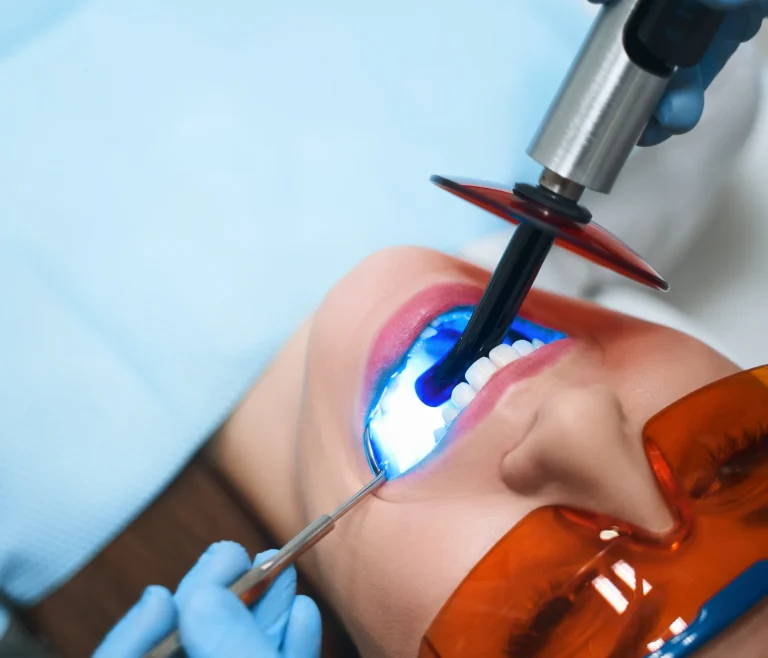
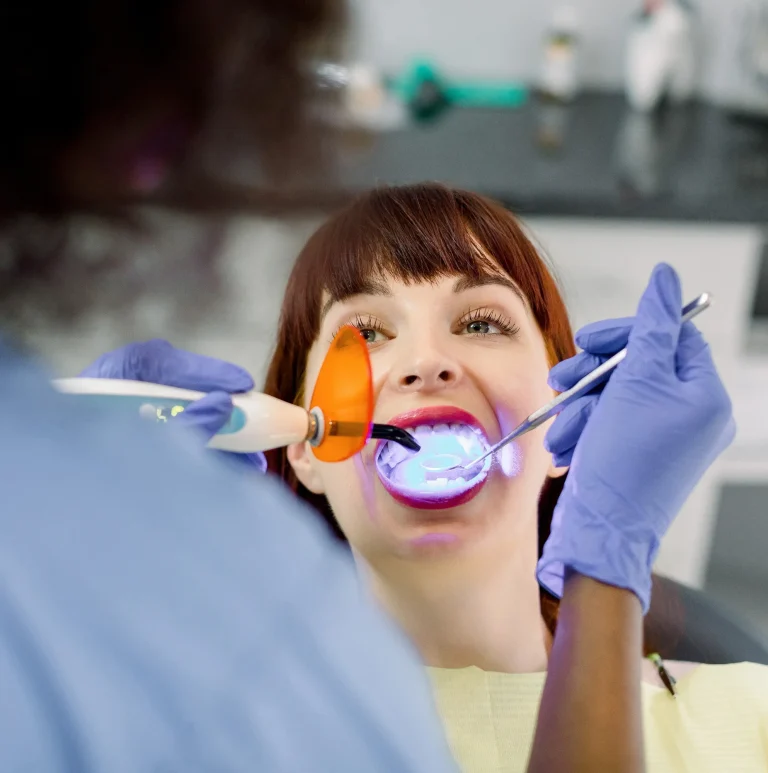
We clean and dry the tooth, brush on a mild conditioning gel for a few seconds, rinse it off, and dry the tooth again. Then we paint the sealant material into the grooves and harden it with a small blue light. The whole thing takes a couple of minutes per tooth. Your child can eat right after.
Nothing about the tooth structure changes. We’re adding a layer on top, not removing anything underneath. If a sealant ever chips or wears down years later, we can touch it up at a future cleaning. We’ll show you on the intraoral camera what we’re seeing, so you’re not taking our word for it.
When Sealants Make Sense (And When They Don't)
The textbook answer is that sealants go on permanent molars shortly after they erupt, around age 6 for the first molars and around age 12 for the second molars. That’s still the most common timing in our office. Catching a tooth before it has had years to collect plaque in its grooves is the whole point.
Some kids don’t need them. If the grooves on a molar are shallow and easy to clean, a sealant isn’t doing much. Some kids need them on every back tooth because their grooves are deep and narrow and they’ve already had a cavity or two. We make that call tooth by tooth, not as a blanket policy.
Adults occasionally get sealants too, usually when Dr. Fellows sees a back tooth with deep anatomy and no decay yet. It’s a small investment to keep a healthy tooth healthy. If you’ve been getting fillings in the same kind of spot over and over, ask us whether sealing the others would help.
What's Included When We Place Sealants
A sealant visit at our Pottsville office includes the exam of the back teeth, the cleaning and prep of each tooth getting sealed, the sealant material itself, and the curing light step. We use digital X-rays with the Overjet Iris system at checkups, so before we seal a tooth we’ve already confirmed there’s no early decay hiding between the teeth or under the grooves. Sealing over a cavity is exactly what you don’t want.
We also walk you through what to watch for at home. Sealants can feel a little different for a day or two, and kids sometimes mention that their bite feels off. That usually settles on its own. If it doesn’t, we have you stop back and we adjust it in a few minutes.
Sealants pair naturally with the rest of preventive care. Most of our young patients come in for a cleaning, an exam, fluoride treatment when it’s appropriate, and sealants on the molars that need them, all in the same visit. Doing it under one roof saves families a second trip across the county.
Why Sealing a Molar Early Pays Off
A sealant placed on a six-year molar can keep that tooth out of the filling chair for years. That matters because every filling has a lifespan. The earlier a tooth gets its first filling, the more times it’s likely to need work later in life. Prevention on the front end is almost always cheaper, simpler, and more comfortable than restoration on the back end.
Sealants aren’t a substitute for brushing and flossing, and they don’t protect the sides of teeth where flossing matters most. They handle one specific job, which is the deep grooves on the chewing surface, and they handle it well. Combined with regular cleanings and home care, they’re one of the better odds-shifters in family dentistry.
Ask About Sealants at Your Next Checkup
If your child is due for a cleaning, or you’re wondering whether their molars should be sealed, give our West End Avenue office a call. We’ll take a look and tell you straight whether sealants make sense.