
Bone Grafting in Pottsville, PA
Bone grafting rebuilds the jawbone where it has thinned or been lost, usually to prepare for an implant or to protect a tooth socket after an extraction. At Fellows & Smink Dental Associates, Dr. Scott Fellows handles this step in the same building where the rest of your care happens.
What to Know About Bone Grafting in Pottsville PA
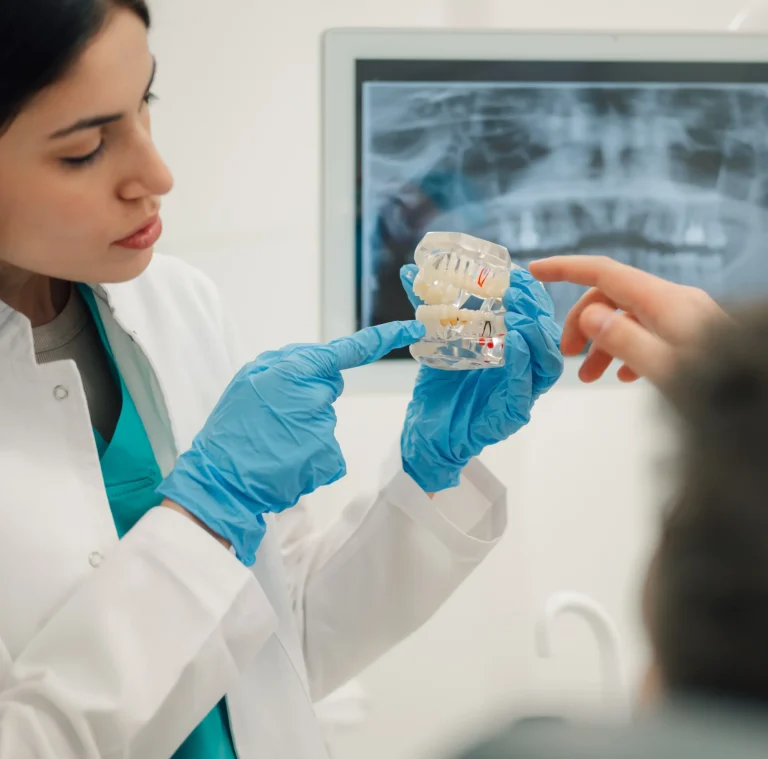
Bone Grafting in Pottsville PA is the part of treatment most patients have never heard about until a dentist mentions it. You came in for a missing tooth, or a tooth that needs to come out, and now there’s a conversation about rebuilding the bone underneath. It can feel like a detour. It usually isn’t. In most cases it’s the step that makes the next part of your care work the way it should.
Bone in the jaw needs a tooth root to keep it stimulated. When a tooth is lost or pulled, the bone in that spot begins to shrink within weeks. Over months and years, that ridge can get narrow or short. If you’re planning an implant later, or even a stable denture, that lost bone matters.
A graft puts material into the space so your body can build new bone there. It’s a quiet, common procedure, and it’s been part of dental care for a long time. Dr. Fellows will walk you through whether you need one, what kind, and what the timeline looks like before any work begins.
How a Bone Graft Rebuilds the Jaw After Tooth Loss
The procedure itself is more straightforward than most patients expect. After the area is fully numbed, Dr. Fellows places grafting material into the site where bone is missing or thin. The material acts as a scaffold. Your own body does the real work over the following months, replacing the graft with new bone of its own.
There are a few common types. A socket preservation graft goes in right after a tooth is removed, to keep the ridge from collapsing while you decide on next steps. A ridge augmentation builds up an area that has already lost width or height. A sinus lift adds bone to the upper jaw in the back, where the sinus floor sits low and an implant needs a foundation. Dr. Fellows will tell you which one fits your situation and why.
Most grafts are done with local anesthesia in the same building as your regular checkups. For patients who would rather be more relaxed during the appointment, sedation options are available. You’ll get clear written instructions for the days after: what to eat, what to avoid, how to keep the area clean, and what’s normal during healing.
When Bone Grafting Is Recommended Before an Implant
Not every patient needs a graft. The decision comes from what we see on the digital X-rays and, when needed, a 3D scan. The Overjet Iris system helps us read those images carefully and show you what we’re looking at on the screen. If the bone is healthy and tall enough to hold an implant on its own, we’ll say so. If it isn’t, we’ll explain what’s missing and what a graft would add.
The most common reasons we recommend one: a tooth that’s been missing for a while and the ridge has shrunk, a tooth coming out today that we want to preserve the socket on, gum disease that has eaten away at the bone around a tooth, or a back upper tooth site where the sinus is in the way. Patients planning dentures sometimes need grafting too, when the ridge has gone flat enough that a denture won’t hold.
Timing matters. A socket preservation graft done at the time of extraction is usually simpler and heals faster than rebuilding the same area years later. If a tooth is coming out, it’s worth asking whether grafting at the same visit makes sense for you. Sometimes the answer is no, and we’ll tell you that too.
What's Included in Your Bone Grafting Visit
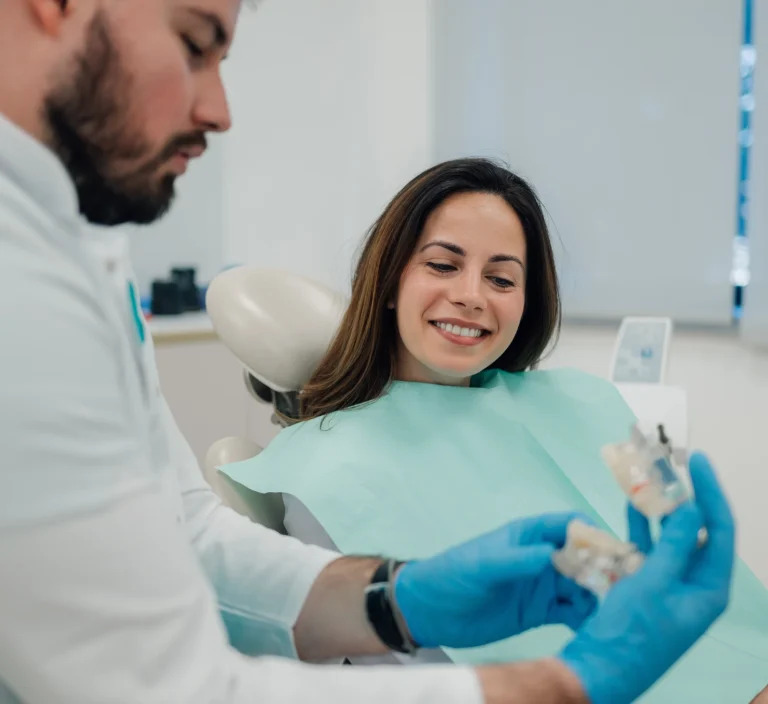
Your first appointment is a conversation and an exam. We take digital X-rays, look at the area, and talk through what you’re hoping to do, whether that’s an implant, a denture, or just protecting the site after an extraction. If a graft is the right call, Dr. Fellows will explain the type, the material, and how long healing usually takes before the next step.
On the day of the procedure, you’ll know the plan before we start. The area is numbed, the graft is placed, and the site is closed with stitches that often dissolve on their own. Most patients are back to a normal day within a day or two, with some swelling and tenderness that fades during the first week. We’ll see you back for a short follow-up to check the site.
Healing time before an implant can be placed depends on the size of the graft and your own biology. A small socket graft might be ready in three to four months. A larger ridge or sinus graft may take longer. We’ll map out the schedule with you so there are no surprises, and everything (the extraction, the graft, the implant, the crown on top) stays under one roof at our West End Avenue office.
Insurance and Payment for Bone Grafting
Bone grafting coverage varies more than most procedures. Some PPO plans cover a portion when the graft is done at the time of an extraction. Others treat it as part of implant treatment, which may or may not be a covered benefit. We accept all PPO dental insurance plans and will file the claims for you, and before any work begins we’ll give you an estimate of what your plan is expected to cover and what your out-of-pocket portion would be.
For patients without dental insurance, or with a plan that doesn’t include grafting, we offer flexible payment options and will sit down to map out a plan that fits your month. If your treatment includes an extraction and a future implant, we can break the costs out by stage so you know what’s due when.
If you’d like to see the bigger picture of how we handle billing across the office, the dental insurance in pottsville pa page goes into more detail, and our payment options page covers financing for larger treatment plans.
Why Rebuilding Bone Matters for the Rest of Your Care
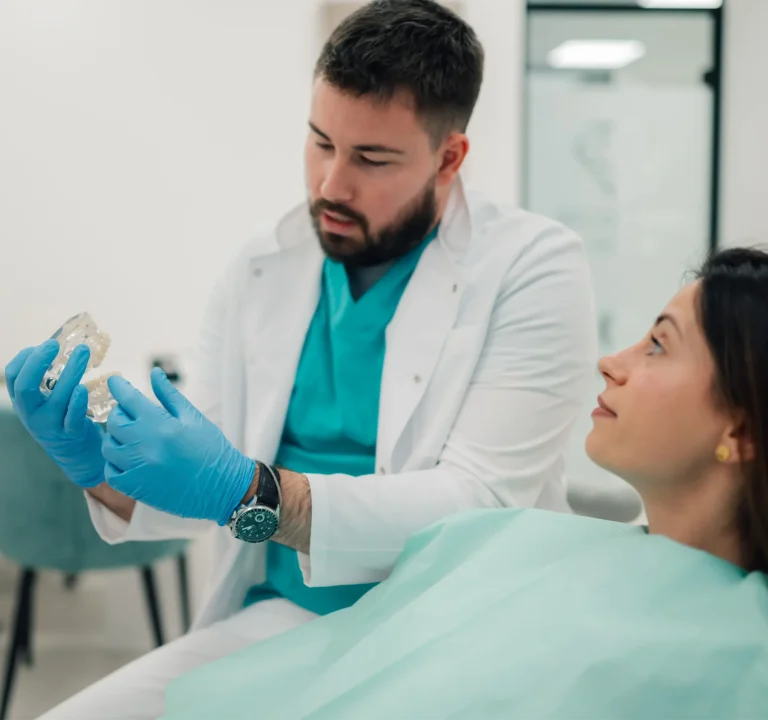
A graft isn’t usually the goal on its own. It’s the foundation for what comes next, whether that’s a single implant, a bridge, or a denture that fits well enough to wear all day. Putting in the time to rebuild the bone now tends to make those later steps simpler, more predictable, and longer-lasting.
Patients who skip grafting after an extraction sometimes come back years later wanting an implant, only to find that the bone has thinned too much for a straightforward placement. That doesn’t mean an implant is off the table, but it usually means more steps and more cost. A small graft at the right moment can save a lot of trouble down the road.
Dr. Fellows treats families across Pottsville, Saint Clair, Minersville, Schuylkill Haven, and the surrounding county, and he’ll be honest about whether a graft is worth doing in your case or not. If it isn’t, he’ll say so.
Ask Whether a Bone Graft Is Right for You
If you’ve been told you need a bone graft, or you’re planning an implant or denture and want to know what’s involved, call our West End Avenue office. We’ll take a look, explain what we see, and walk you through your options before anything is scheduled.