
Single Tooth Replacement in Pottsville, PA
Losing one tooth changes how you chew, how you talk, and over time, how the teeth around it sit. We replace that single tooth with an implant and crown built to look and work like the one you lost.
What a Single-Tooth Implant Actually Is
When patients come in asking about single tooth replacement in Pottsville PA, they usually fall into two groups. Some recently had a tooth pulled, or knocked loose in an accident, and want to know what comes next. Others have been living with a gap for a while, maybe with an old bridge that’s failing, and they’re ready to do something more permanent than what they have now.
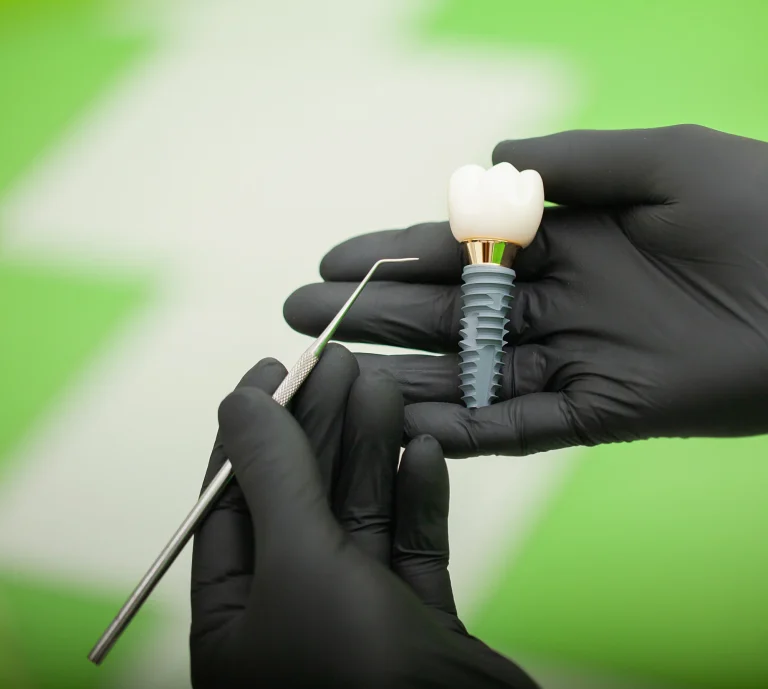
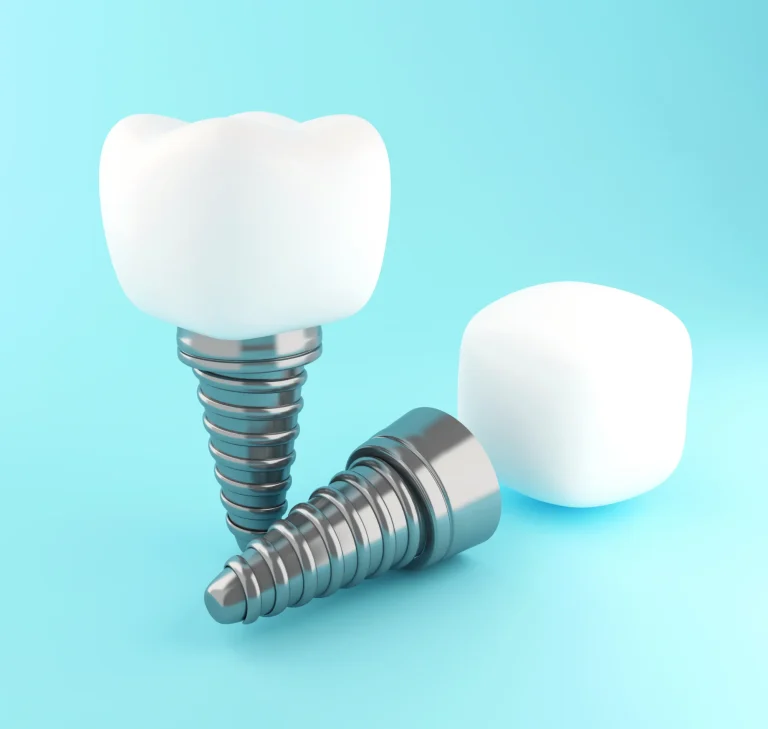
A single-tooth implant is three parts working together. A small titanium post takes the place of the root, sitting in the jawbone where the old root used to be. A connector called an abutment screws onto that post and rises just above the gumline. A custom crown then attaches to the abutment, shaped and shaded to match the teeth on either side of it.
The result is a tooth you brush, floss, and chew with like any other. It doesn’t rely on the neighboring teeth for support, the way a bridge does, and it doesn’t come out at night the way a partial denture does. For most patients, that’s the appeal. One missing tooth, one fixed replacement, and you stop thinking about it.
How the Implant Process Works from Start to Finish
The first visit is a conversation and a look at your X-rays. Dr. Scott Fellows uses digital X-rays with the Overjet Iris system and an intraoral camera so we can show you what’s happening on a screen, not just describe it. We map out where the implant would go, check the bone around the site, and talk through what your insurance will cover and what it won’t.
If the tooth is still in place and needs to come out, that extraction usually happens first. Sometimes the bone at the site needs a little help before an implant can hold, and in those cases we’ll talk about bone grafting at the same appointment. Once the site is ready, we place the titanium post. The gum is closed over or around it, and we let the bone heal in around the post over the next few months. That healing time is what makes the implant feel solid for the long haul.
When the post has integrated, you come back so we can attach the abutment and take impressions for the crown. The crown is made to match the size, shape, and color of the teeth next to it. At the final visit, the crown goes on and we check your bite. From start to finish, the timeline often runs three to six months, depending on whether grafting was needed and how your body heals.
Because we keep this work under one roof, you’re not driving to one office for the extraction, another for the implant, and a third for the crown. The same team handles all of it, in the same building on West End Avenue.
When a Single Implant Is the Right Call (and When It Isn't)
A single implant tends to be the better choice when the teeth on either side of the gap are healthy. Filing those neighbors down to anchor a bridge means changing teeth that don’t need to be changed. An implant leaves them alone.
It’s also a strong option when you want something that stays put. Partial dentures work for some patients, especially when several teeth are missing in a row, but a lot of people find one removable appliance for one missing tooth more trouble than it’s worth. An implant lives in your mouth full time.
There are situations where we’d steer you toward a different plan. If the bone in that spot has shrunk too much and grafting isn’t a good fit for your health, a bridge or partial may serve you better. If multiple teeth in the same area are failing, it sometimes makes more sense to talk about a larger restorative plan instead of replacing them one at a time. We’ll be straight with you about what we think makes sense, and why.
What's Included in Your Implant Treatment at Fellows & Smink
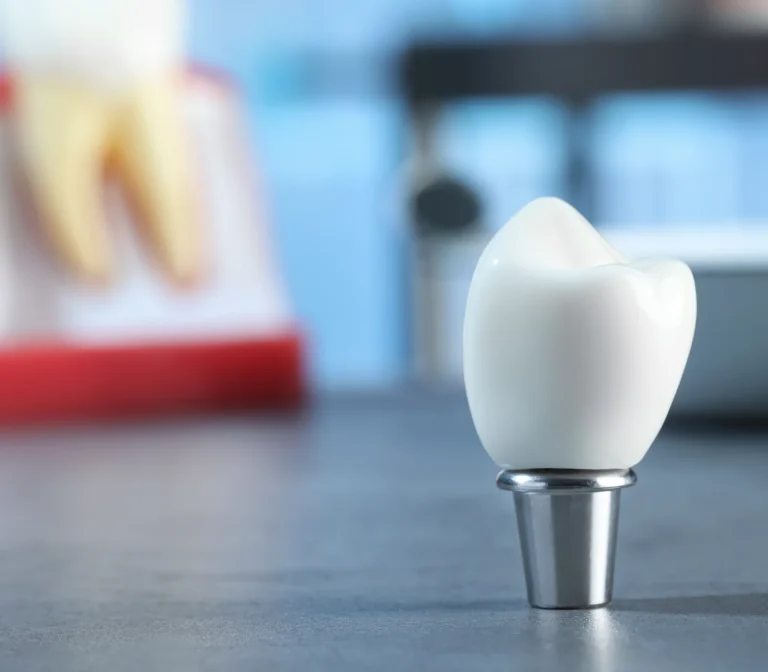
Your treatment includes the planning visit with digital X-rays and intraoral photos, the surgical placement of the implant post, the abutment, and the custom crown on top. If an extraction or bone grafting is part of the plan, that’s discussed and scheduled with you upfront so there are no surprises along the way.
We also include the follow-up visits between stages, where we check healing, adjust as needed, and answer the questions that always come up after you’ve lived with the temporary site for a few weeks. Dr. Fellows is the one who’ll usually walk you through your scans and explain what each step does and why it’s needed.
After the crown is in, you’re back on a normal cleaning and exam schedule. Implants don’t get cavities, but the gum and bone around them still need care, and we keep an eye on the site at your regular visits. Routine care like dental cleanings and exams is part of protecting the work you’ve invested in.
What Insurance Covers on a Single-Tooth Implant
Implant coverage varies more than almost any other treatment. Some PPO plans cover a portion of the implant, the abutment, and the crown separately. Others cover the crown but not the surgical placement, or pay toward what they would have paid for a bridge and leave the rest to you. We accept all PPO dental insurance plans and file the claims for you, so you’re not chasing paperwork.
Before any work begins, we’ll send a pre-treatment estimate to your insurance and get their answer in writing. That tells us, and you, what your plan will pay and what your share looks like. If you’re between two options, we’ll often run estimates on both so you can compare.
For patients without coverage, or whose plan covers very little of implant work, we offer flexible payment options and will sit down to map out a plan that fits your month. If you’d like to look ahead, the payment options page covers what’s available.
Why Replacing One Tooth Matters More Than It Looks
A single gap doesn’t stay a single gap. The teeth on either side of the missing tooth start to drift toward the open space, and the tooth above or below it can begin to over-erupt because nothing is meeting it when you bite down. Over a few years, that small shift changes how your bite lines up and how easy your teeth are to clean.
The jawbone underneath a missing tooth also begins to thin out, because the root that used to stimulate it is gone. An implant replaces that stimulation. It keeps the bone working, which keeps the shape of your jaw and the teeth around it more stable for the long run.
Cared for like any other tooth, a single implant is designed to last for decades. Outcomes depend on bone health, hygiene, and regular checkups, but for the right patient, replacing one tooth now prevents a much bigger conversation later.
Talk Through Your Options with Dr. Fellows
If you’re missing a tooth, or about to lose one, come in and we’ll look at the site together and walk you through what makes sense. Call our Pottsville office or request a consultation online.